A Tourist In My Own City: Hyde Park Barracks

Maraong manaóuwi.

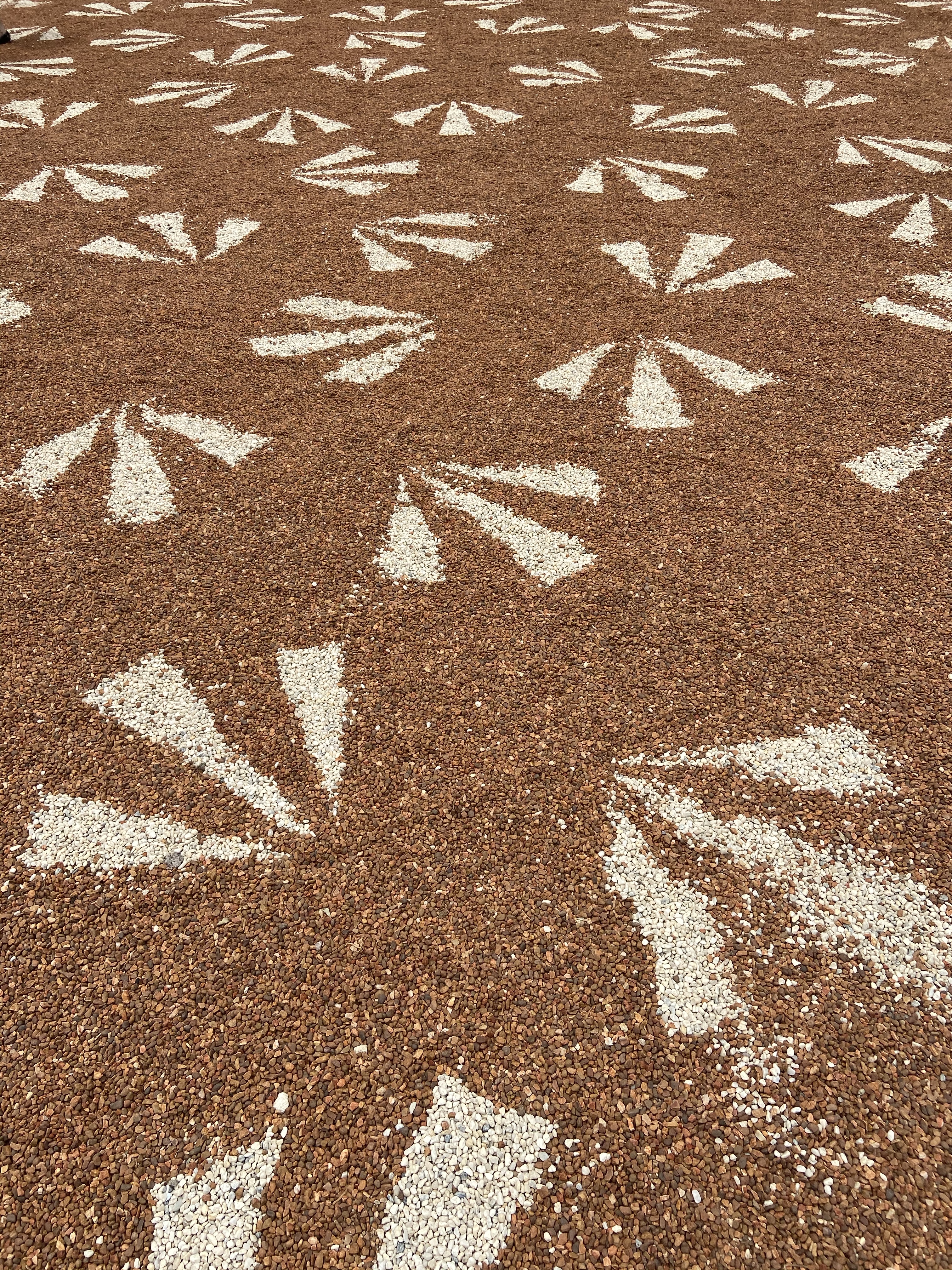
Gadigal for ‘emu footprints’.

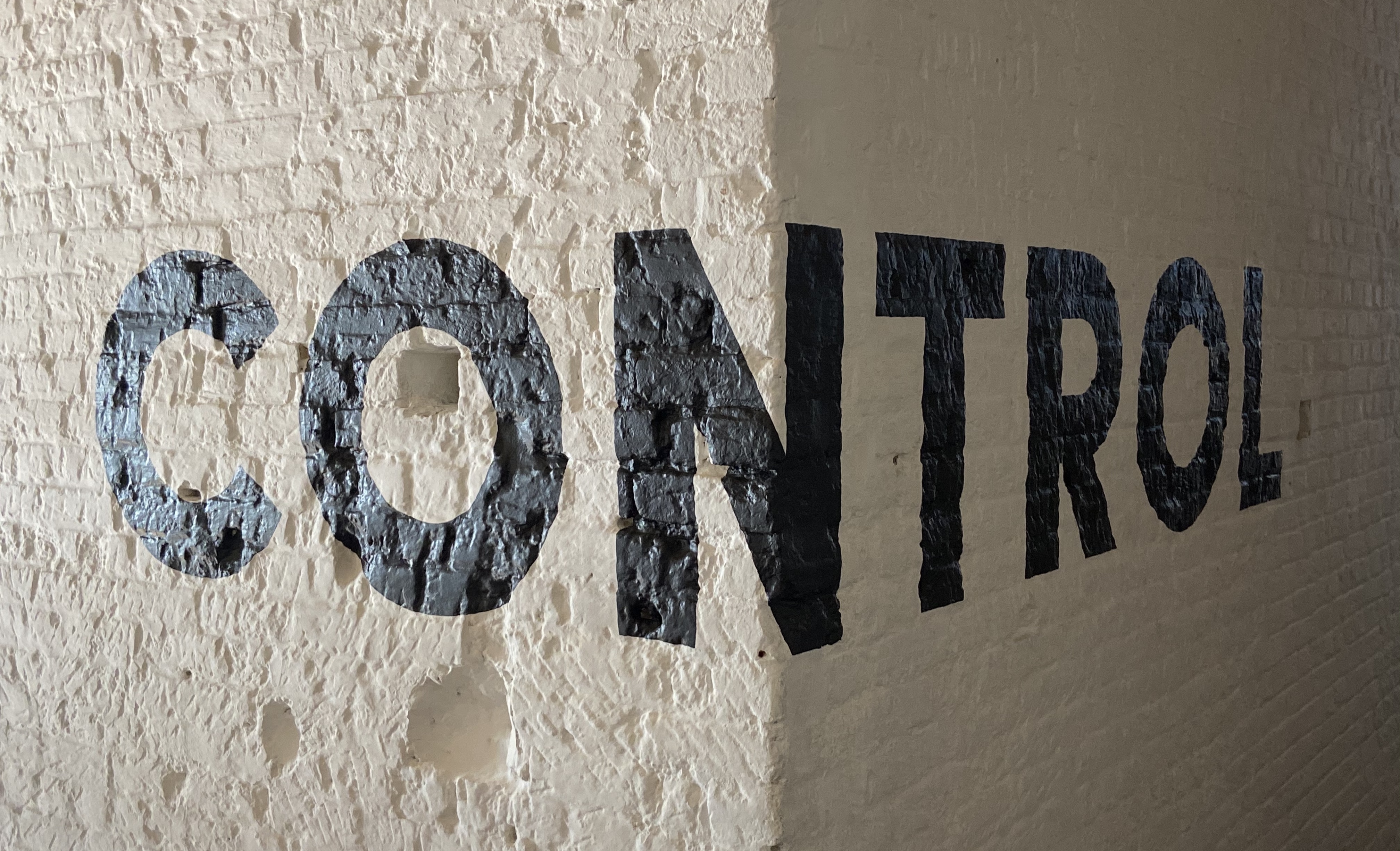
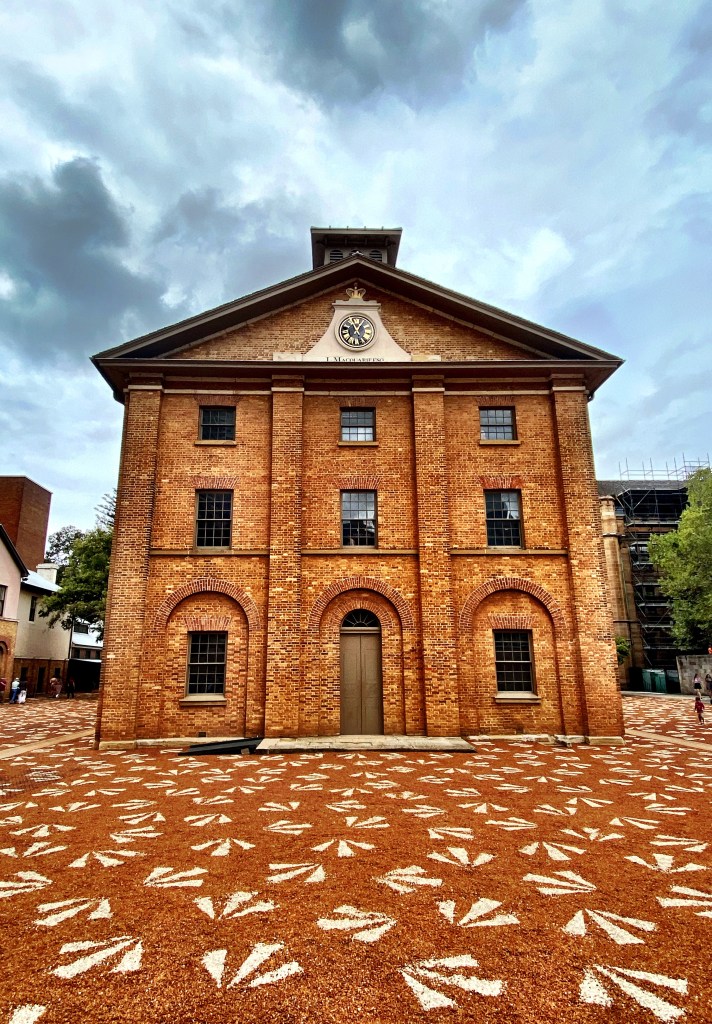
These footprints form the welcome mat laid before visitors to Hyde Park Barracks.

For Gadigal elder, Uncle Allen Madden, they mark the imprint of the first native animal to disappear from Sydney, after many thousands of years of calling this area home.

In the eyes of those more familiar with the shorter version of our city’s past, they might represent a memory of Sydney’s convict story.

For Jonathan Jones, the Wiradjuri/Gamilaroi artist responsible for creating them, they are both.

Walking through the entry to Hyde Park Barracks, Jones’ installation seems so ‘at home’ that it isn’t apparent at first that the striking motif stretching underfoot across the full length and span of the courtyard is a new feature here, albeit surrounding one of Sydney’s oldest buildings.
Hyde Park Barracks reopened today after extensive redevelopment as one of Sydney’s Living Museums.

I timed my visit to coincide with a traditional clearing dance from Lucy and Lowanna Murray, two young Wiradjuri women from Cowra (where the stones for Jones’ artwork were sourced) and the official Welcome to Country from Uncle Allen, ceremonially opening the barracks to the public.
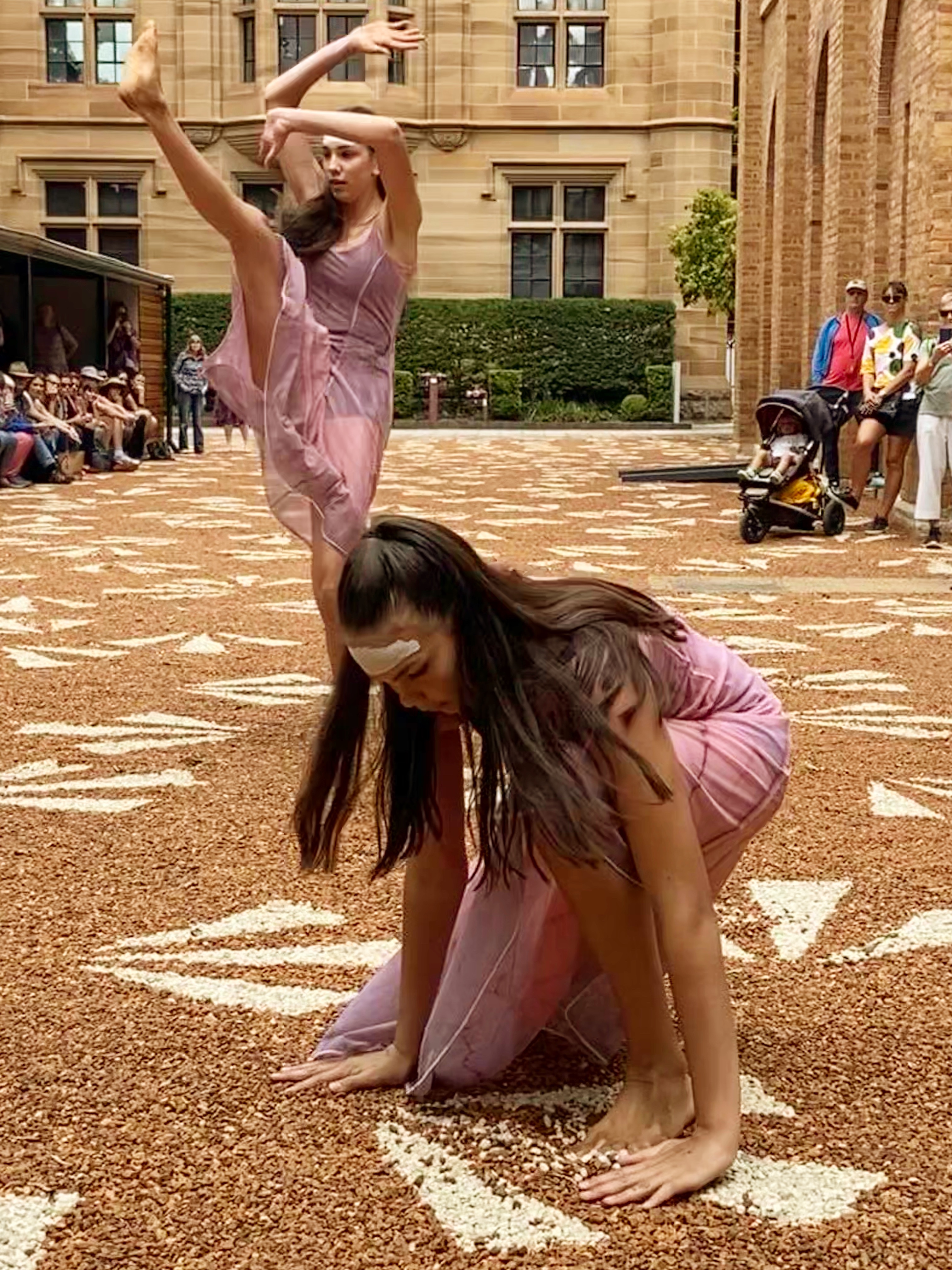
Jones and Uncle Allen talked about the importance of the site, for both indigenous and colonial Australia. There was a lot to learn about the sandstone crafted into these buildings, as well as the role of art in communicating the Aboriginal experience and story.

Jonathan explained his use of the emu as the motif for his artwork. Emu is looked to as a template for the role men should play in society. The only native animal where the father cares for the egg, emu is a role model for fatherhood in Aboriginal culture.

Uncle Allen spoke about the importance of taking time to look around and notice the land around us, rather than witnessing the world through our iPhone screens.

You have to take the time to look around you. Why look at it in a museum, in a picture frame, when you could look at it right in front of you?

Uncle Allen Madden

It was fitting advice as I donned the audio guide headphones which accompanied me through each room with voiceovers determined by geolocation technology.

It’s an immersive experience, surrounded by the sounds of the barracks with stories and details of convict, immigrant and indigenous life in the earliest days of Sydney’s development.
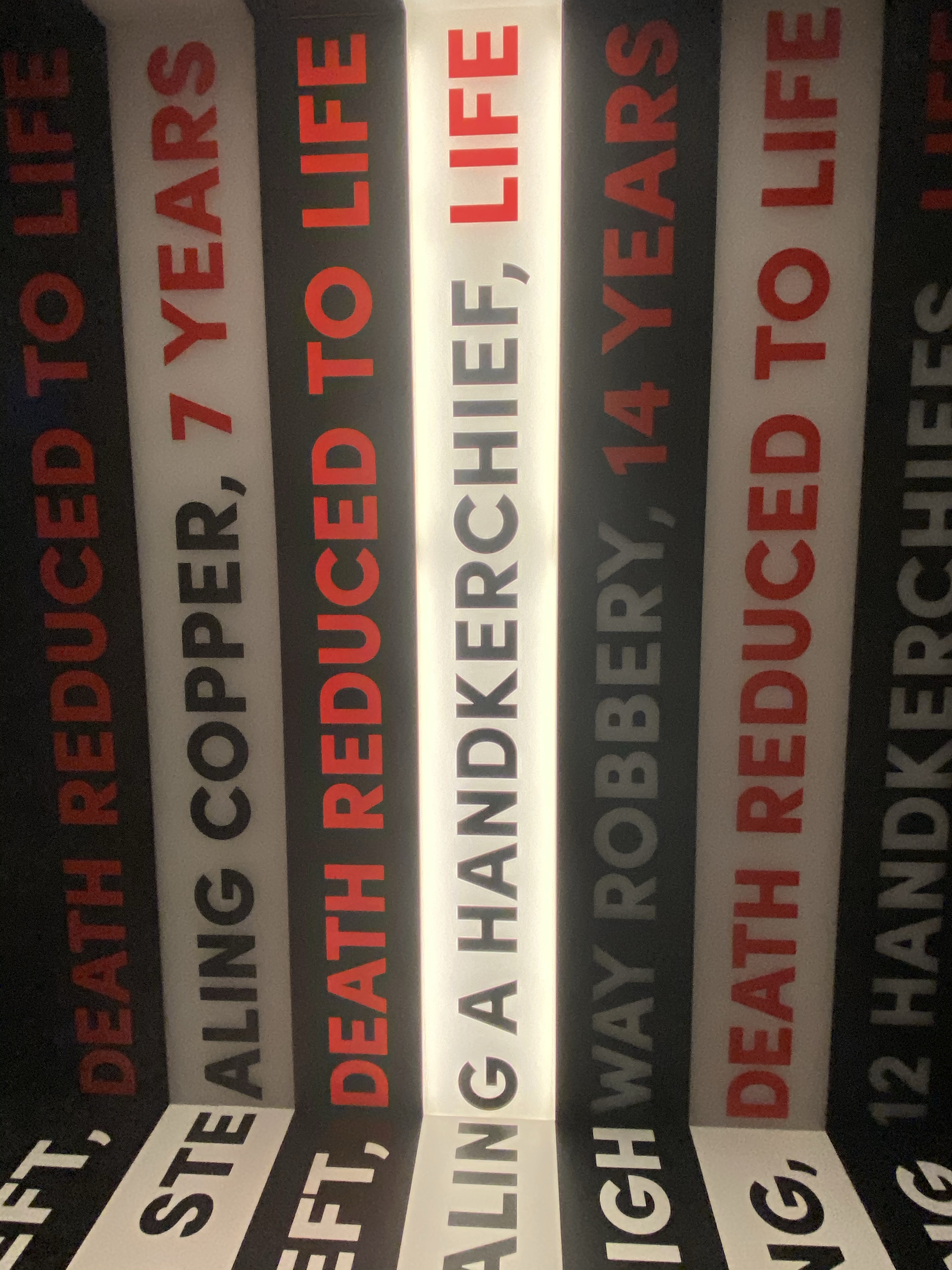
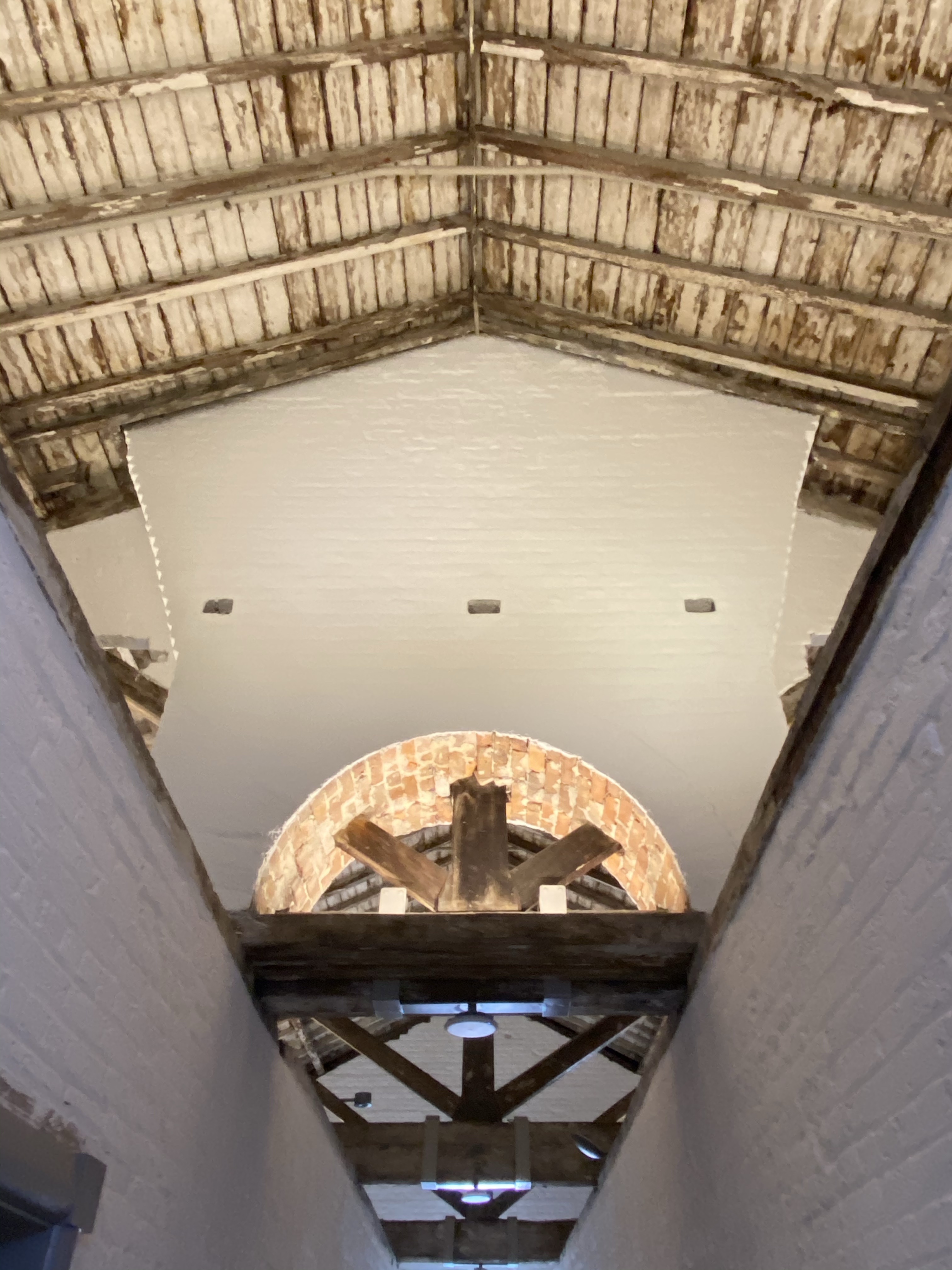
Growing up in Sydney, these stories don’t seem particularly new. On the surface.

What has impact is the layering of new detail on the history of this city that adds meaning and explains so much about Sydney…

… that it was the navigation routes and walking trails of the First Nations people on which the colony’s earliest roads were based, at the same time an acknowledgement of the knowledge of the original owners of the land and a paving over and erasing of thousands of years of history.

… how a lack of understanding of the concept of collective responsibility for the land, rather than ownership of it, resulted in such bloody disagreement and massacre.

… that the very isolation of this place meant that simply being in Sydney was the prison sentence, so convicts experienced days and days of ‘freedom’ away from watchful eyes while sent off to, say, source timber for building.
It’s these layers of story and history that make exploring Hyde Park Barracks so arresting. Uncle Allen spoke of the importance of preserving and protecting language and culture, keeping it alive through story and art.

We have a responsibility for the language of the country that we live on: to look after that.

Uncle Allen Madden

The new Hyde Park Barracks Experience is also keeping our stories alive, bringing life to the story of my city and its people, old and ancient. It is well worth a visit.


Photo of the Day:
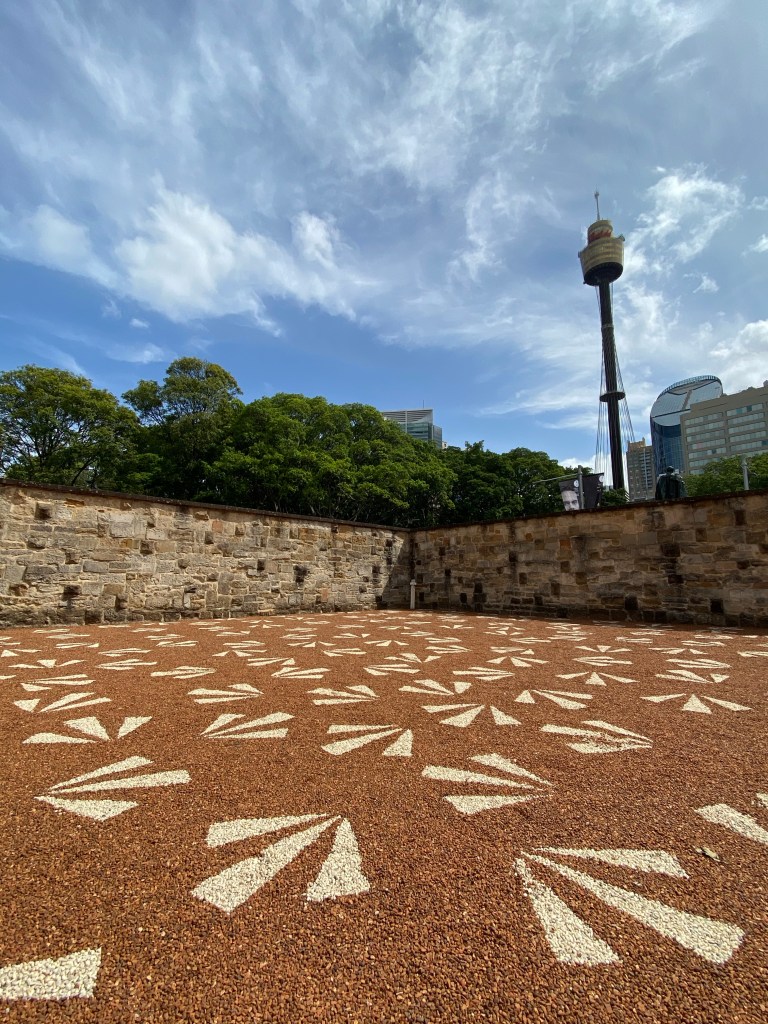
Sydney, old and new. Looking towards the city skyline from the Hyde Park Barracks courtyard.

A Tourist In My Own City: Art Gallery of New South Wales

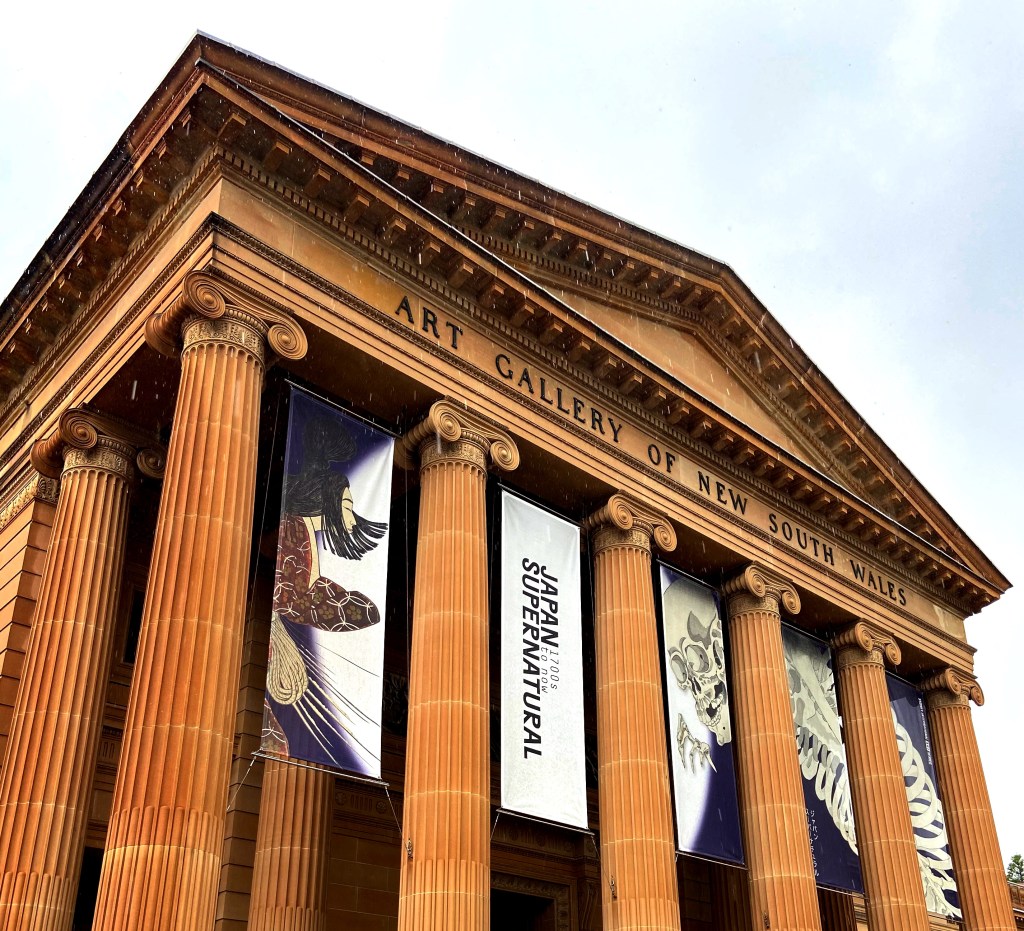
A rainy day was the perfect occasion for a couple of hours indoors at the Art Gallery of New South Wales.

Art Express, the annual exhibition of works from the HSC Visual Arts course, opened today, and didn’t fail to impress with some really beautiful creative works on display. It was a nice surprise to remember that one of the students from my school had her video artwork included in the exhibition.

Often I find it’s the artist’s statement about their work and their process that is the most affecting. So many of these young artists have such a special story to share with their audience, and a genuine belief in the power of art to communicate.

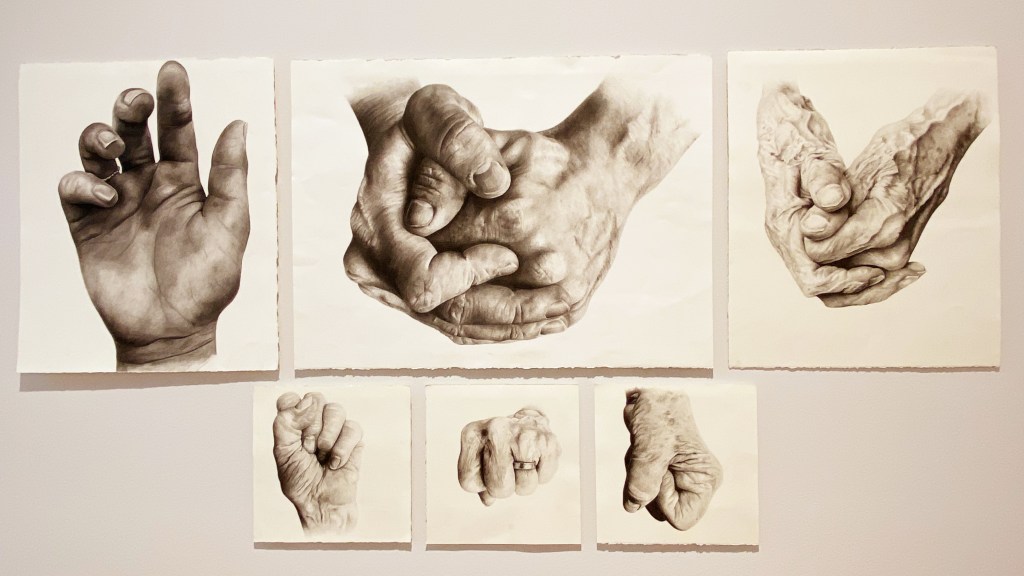
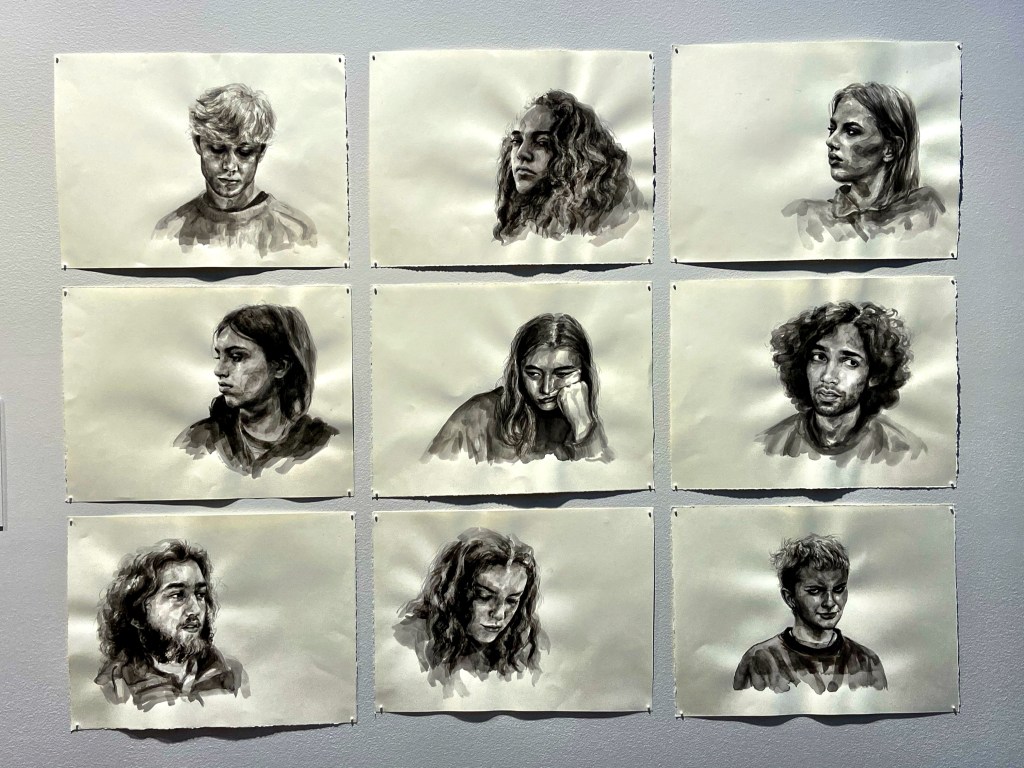
One artwork, a body of nine portraits entitled Sonder, captured through both the work and the artist statement what today was for me: a capturing of individual awareness and presence of mind.

The artist writes:

The concept of ‘sonder’ [is] the realisation that every other person has a life as vivid and complex as your own.

Sama Padmini Cooper, Katoomba High School

Today was a day at a slower pace, a day to move at the whim of my thoughts, to enjoy the vividness and complexity of life.

It was the perfect start to my year as a tourist in my own city.


Photo of the Day:

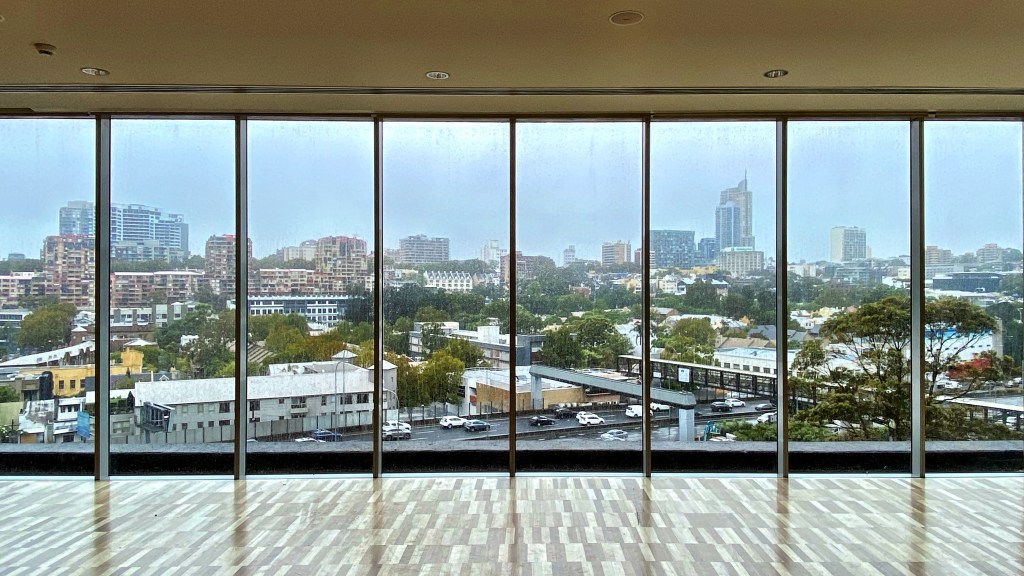
The view east, framed by the windows of the Art Gallery of New South Wales.

Talking to Strangers

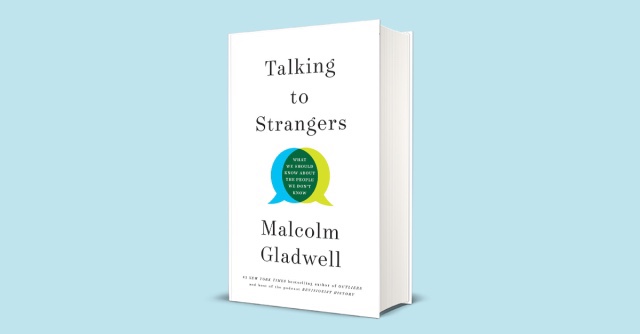
My first holiday read this summer has been Talking to Strangers (2019) by Malcolm Gladwell.

I have always been drawn to Gladwell. His writing is, to me, thought-provoking and easily digestible.

Gladwell’s latest book, Talking to Strangers, was published in September 2019 by Little, Brown and Company.

Talking to Strangers takes on the ways we aim to make sense of people we’ve just met – and how, invariably, we get it wrong.

As an educator and community leader, I meet new people every week. New members of my community choir join every Thursday night. Each prospective staff member looking to work at my school sits with me in my office for an interview, after which (or usually during which) I decide whether or not they would be a good fit for the organisation. Each semester, a new group of students enters my classroom for the first time, many of whom I’ve not taught before. With each of these hundred or so ‘strangers’ each year, there are so many immediate – and gradual – assessments that are made as we make sense of each other.

I have always considered myself a good judge of character.

I have always said that I can read people well.

Gladwell’s book aims to cover ‘what we should know about the people we don’t know’. Much of the text takes examples from crime. Gladwell highlights how often we misread others because of our predisposition to default to truth (that people are genuine and honest) or our assumption that human communication and expression is transparent (that WYSIWYG).

I found the notion of transparency the most intriguing and the most able to relate to the experience of my world as teacher and music director. It’s easy to assume that someone’s facial expression is an indicator of their internal disposition. I do it often. I think we all do. Gladwell argues that it’s a simple – and incorrect – assumption to make.

Gladwell is, as always, well-researched. He uses the decade-old criminal case of Amanda Knox as his exemplar of this mistake. If Gladwell were Australian, perhaps the chapter would have centred on Lindy Chamberlain and the disappearance of her daughter, Azaria, at Uluru forty years ago. In both cases, presumptions of guilt were made (at least in part) because Knox and Chamberlain’s behaviour and expression didn’t match what we believe people experiencing distress or grief should display on their face and show in their behaviour.

However, sometimes, people are mismatched. Their expression or their behaviour doesn’t provide a reliable insight into how they feel. They don’t show emotion through the anticipated facial expression. I can think of a number of people in my life for whom, after reading Talking with Strangers, I’m left to wonder if such a mismatch explains what I’ve always found to be confusing – yet such intriguing – behaviour.

If he’s enjoying himself so much, perhaps he should tell his face.

Probably said by me (2019)

It’s tongue-in-cheek, but it’s the sort of thing that gets bandied about in casual conversation. At least, it does in my social circles.

Gladwell has left me thoughtful about the ways in which we claim to know and understand those around us, particularly those we’ve just met or those who are in our lives peripherally or as acquaintances.

He doesn’t propose strategies to understand others better, but rather warns against assuming we know how to make sense of others:

Because we do not know how to talk to strangers, what do we do when things go awry with strangers?

We blame the stranger.

Gladwell (2019), p. 346

Perhaps we need to look at ourselves first.

You are busy

We’re all busy.

Over the years, I’ve come to recognise that, as educators, we are all, genuinely, busy. I’ve also recognised that busy looks different for different people.

Busy can’t be quantified. Busy is a state of mind. If you feel that you’re busy, you are busy. Even if your busy looks like a holiday to someone else, you are still busy.

Your busy doesn’t necessarily equal my busy.

Your busy doesn’t have to equal my busy in order to qualify as busy.

It’s still busy.

Let’s be kind to each other and offer support when people are under the pump.

We’d want them to do the same for us.

Bujari gamarruwa

We never know whether our words will reach their audience in the way that we hope.

Occasionally, I am given the opportunity to deliver the keynote address to the 400 students and staff attending my school’s High School Assembly. It’s a spot usually held by the Principal, which once each term is offered to myself and my co-Deputy Principal, to speak on a topic of our choosing.

Last week was one of those occasions.

I take the opportunity to speak to our students really seriously.

I hope that what I say to them makes them think. But, more than that, I hope that they are moved to take action as a result of what I say.

It seems, this time, that my words found their audience and that people have been moved to act. It has been so pleasing to have feedback from teachers and students that my words connected with them.

I chose to talk with my students about some words that we hear spoken every week but perhaps have never stopped to think about. I talked about the significance of understanding why the words are spoken, and which people those words are spoken about. I talked about the words that those people would have spoken and what has happened to that language. And I talked about what my students and colleagues can do to ensure that those words and that language might be known and heard.

It is reported that of the 200+ languages that were spoken on the Australian continent 200+ years ago, only thirteen are living, breathing languages today. Once thriving languages have been lost, or face extinction.

At a High School Assembly in the eastern suburbs of Sydney, though, on a Tuesday morning last week, the language of the Gadigal people – the Sydney language – was spoken by 400 young people.

I’m grateful that students reached out to me afterwards to share how my words reached them.

I’m grateful that I chose to speak on a topic that has led to a team of teachers implementing changes to their teaching programs, therefore reaching dozens of students immediately, and many more in years to come.

I’m grateful that my words did reach my audience in the way I hoped they would.

But I’m most proud that the words of those who were speaking on the same spot hundreds of years before were able to be spoken there, again.

For the full transcript of my address, click here.

Atomic Habits

Committing to and keeping a regular writing habit is not something that comes easily to me.

At the start of this year, I began to challenge myself to put my thoughts down, letter-to-the-editor and blog style, in response to the state of play in teaching and learning, both locally in Australia and around the world.

I enjoy writing, and I’ve enjoyed the conversations that have been sparked by sharing my writing with others, both online, and directly with colleagues and friends. This sharing has resulted in the privilege of having some of my pieces published, and taking on regular freelance work developing opinion pieces for an educational leadership periodical.

This is exciting. And daunting.

At a late afternoon picnic last month, a friend was passionately espousing the merits of audio books and, in particular, James Clear’s Atomic Habits. She talked about the power of 1% improvements across all aspects of your life, and how implementing these simple, small improvements could be a game changer for kicking professional and personal goals.

By that evening, I’d downloaded an audio book app on my phone, bought Clear’s book, and with the help of an interstate solo road trip the following weekend, I’d polished off Atomic Habits within the week.

There’s much to be gleaned from James Clear’s advice. But something hit me between the eyes (or, at least between the ears) about making regular writing a habit.

That I should just write.

Often.

And that I shouldn’t be concerned about ensuring everything I write is a brilliantly crafted thought piece.

But that the simple habit of putting words down on paper – on screen – was what was needed.

That I should just begin.

Hence, this blog.

Here goes…